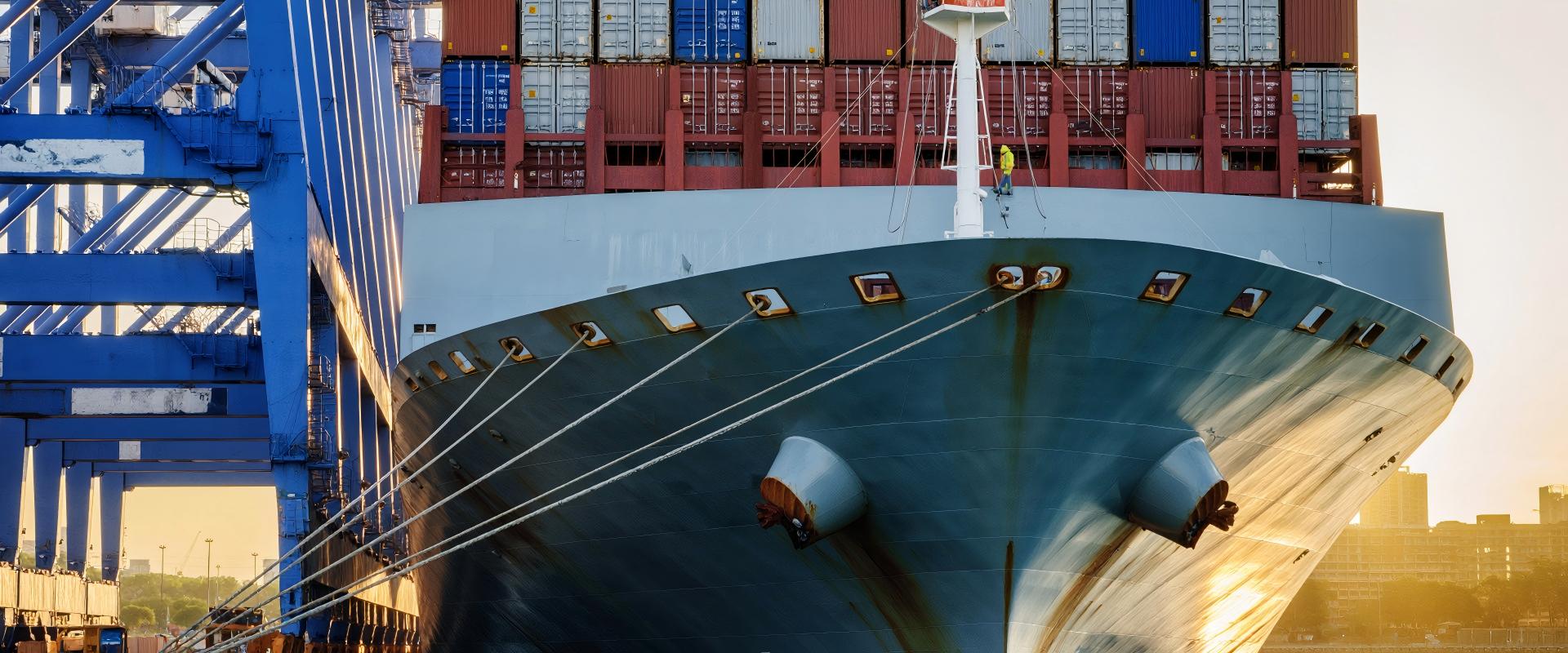
Selecting the right shipping method is one of the most important decisions in international logistics. Ocean freight and air freight are the two most common options, each offering distinct advantages depending on shipment needs.
Ocean freight is widely used for large-volume or heavy cargo. It is generally more cost-effective and suitable for goods that are not time-sensitive. With flexible container options such as FCL (Full Container Load) and LCL (Less than Container Load), ocean freight supports a wide range of industries—from manufacturing to retail.
However, ocean freight typically involves longer transit times and requires careful planning. Factors such as port congestion, weather conditions, and sailing schedules must be considered when choosing this option.
Air freight, on the other hand, is ideal for time-critical shipments. It offers significantly faster transit times and higher schedule reliability, making it suitable for high-value goods, urgent deliveries, or products with short life cycles. While air freight costs are higher, the speed and predictability can outweigh the expense for certain shipments.
When choosing between ocean and air freight, businesses should consider several factors: delivery deadlines, cargo value, shipment size, and budget. In many cases, a combined multimodal solution may offer the best balance between speed and cost.
Experienced logistics providers help clients evaluate these factors and recommend the most suitable shipping strategy. By choosing the right transportation mode, businesses can improve efficiency, reduce costs, and meet customer expectations more effectively.