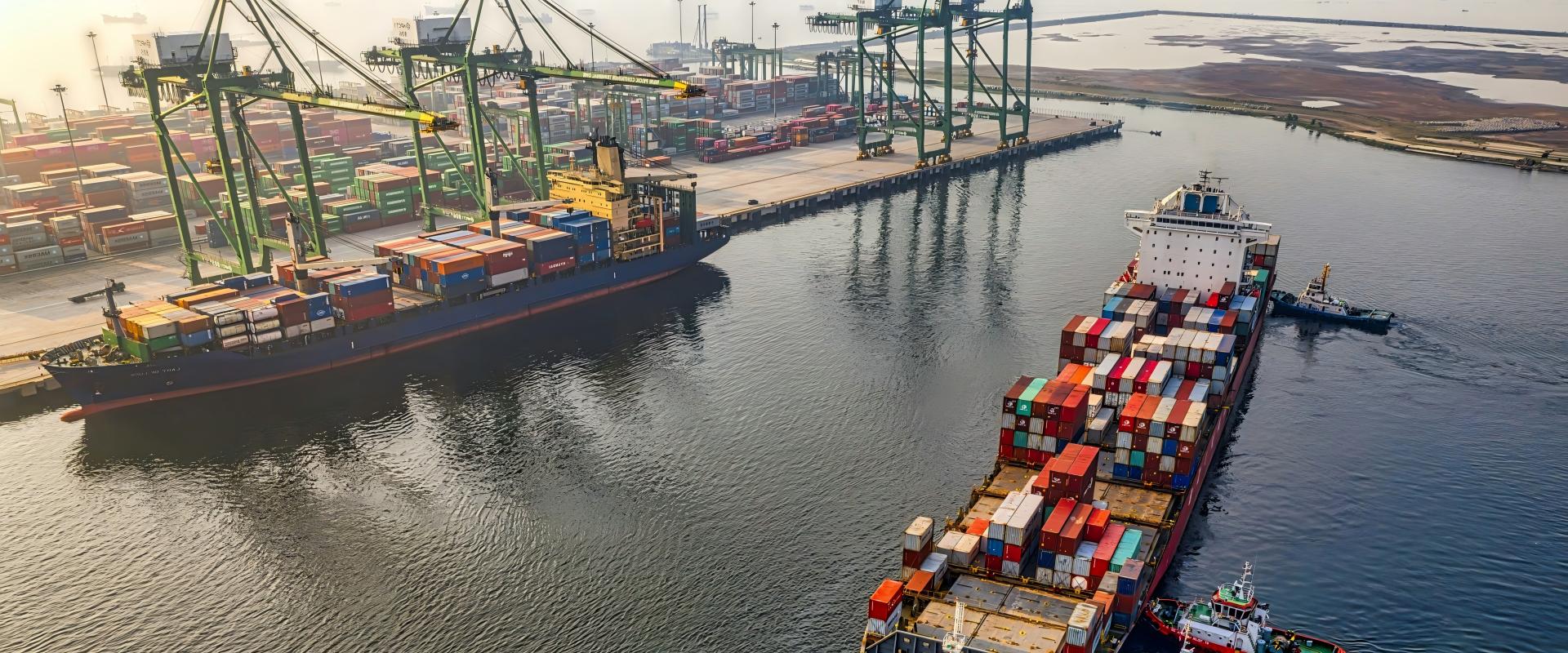
In today’s globalized economy, moving goods across borders is no longer just about transportation. It requires coordination, compliance, and reliable execution. This is where professional freight forwarders play a critical role in simplifying international trade.
A freight forwarder acts as a bridge between shippers, carriers, customs authorities, and destination partners. Rather than managing multiple service providers separately, businesses can rely on a single logistics partner to oversee the entire shipping process—from origin to final delivery.
One of the key advantages of working with a freight forwarder is route and carrier optimization. With access to global shipping networks, freight forwarders can select the most efficient ocean, air, or multimodal solutions based on cost, transit time, and cargo requirements. This flexibility helps businesses reduce delays and control logistics expenses.
Another important benefit is compliance support. International shipping involves complex documentation, customs procedures, and regulatory requirements that vary by country. Professional freight forwarders are familiar with these processes and help ensure shipments move smoothly through customs, minimizing the risk of delays, penalties, or rejected cargo.
Freight forwarders also provide better visibility and coordination throughout the supply chain. By managing schedules, tracking shipments, and communicating with all involved parties, they allow businesses to focus on core operations rather than daily logistics challenges.
In a competitive global market, efficient logistics can be a decisive advantage. By partnering with a reliable freight forwarder, companies can simplify global trade, reduce operational risks, and build more resilient supply chains.